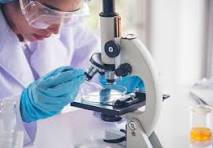
This topic introduces learners to the principles and practices of microbiological sample collection, an essential step in the diagnosis, treatment, and prevention of infectious diseases. Accurate laboratory results depend largely on the quality of the specimen collected, the collection technique used, and the materials employed during the process.
The course covers the types of microbiological specimens commonly collected, including blood, urine, stool, sputum, wound swabs, throat swabs, and tissue samples. Learners are introduced to the various materials and equipment used for specimen collection, such as sterile containers, swabs, syringes, needles, transport media, personal protective equipment (PPE), and specimen labels.
Emphasis is placed on aseptic techniques, infection prevention and control measures, correct specimen labeling, packaging, storage, and transportation to ensure specimen integrity and prevent contamination. The course also highlights common errors in specimen collection and their impact on laboratory diagnosis and patient care.
Upon completion of this topic, learners will be able to identify appropriate specimen collection materials, perform microbiological specimen collection using standard procedures, maintain laboratory safety, and ensure that specimens are handled and transported correctly for reliable microbiological analysis.
- Teacher: Admin User